Practical Life Skills for Autistic Children: Snacks, Packets and Belongings

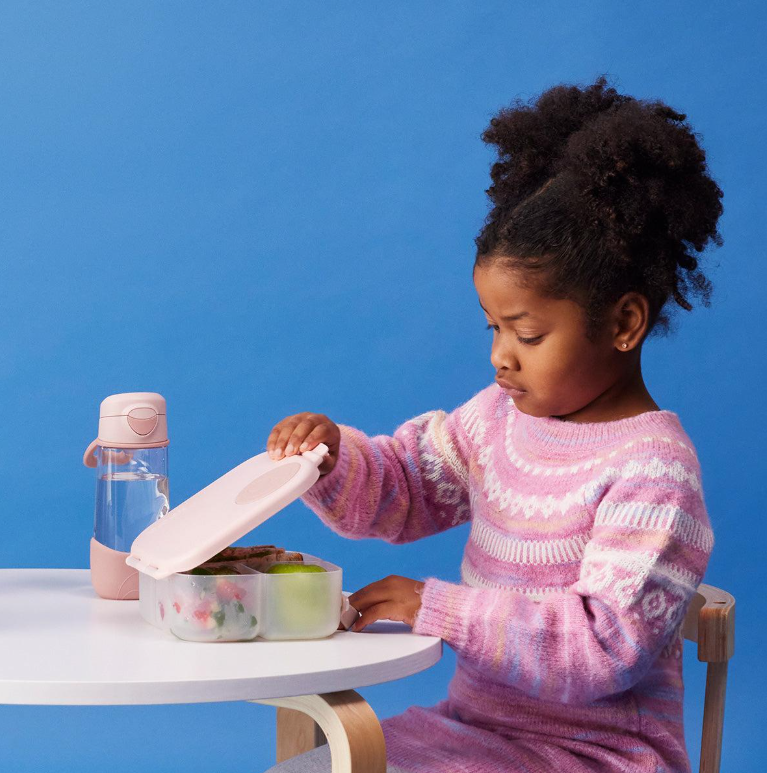
a child opening a lunch box or snack container

Teaching Practical Everyday Skills: Opening Packets, Preparing Snacks and Managing Belongings

Small everyday tasks can make a big difference in a child’s independence.

Opening a biscuit packet, pouring water into a glass, preparing a simple snack or finding a school bag may look easy to adults. But these activities involve several skills, including hand coordination, planning, sequencing, problem-solving and communication.

For autistic children, learning these activities may require extra practice, clear instructions and suitable adaptations.

The goal is not to make a child complete every task without help. It is to give them opportunities to participate in everyday life and gradually develop useful skills.

1. Start with practical skills that matter every day

Choose activities your child encounters regularly.

For example:

Opening and closing things

  • Opening a lunch box.
  • Unzipping a school bag.
  • Opening an easy-to-use snack container.
  • Closing a water bottle.
  • Opening a simple cupboard or drawer.

Preparing simple snacks

  • Taking a banana from a fruit basket.
  • Placing biscuits on a plate.
  • Spreading a suitable soft topping on bread.
  • Pouring water from a small, lightweight jug.
  • Putting a few familiar snack items into a bowl.

Managing personal belongings

  • Finding a school bag.
  • Keeping shoes in their designated place.
  • Putting books into a bag.
  • Keeping a water bottle in the correct place.
  • Returning toys and materials after use.

Start with tasks that are useful, safe and appropriate for your child’s current abilities.

Opening packets can be difficult because it requires grip strength, coordination between both hands and understanding how the packaging works.

Instead of giving your child a difficult packet and expecting them to open it immediately, start with easier materials.

You can practise with:

  • A lunch box with an easy-to-open lid.
  • A large zipper.
  • A reusable container with a simple clip.
  • A loosely closed paper bag.
  • Easy-open snack packaging.

For example, teach opening a simple snack packet through these steps:

  1. Hold the packet with one hand.
  2. Find the opening edge.
  3. Hold the other side with the second hand.
  4. Pull the two sides apart.
  5. Take out the snack.
  6. Put the packet aside safely.

If your child cannot complete the task, identify the difficult step. Perhaps they can hold the packet but cannot pull it open. Practise that part separately.

You can also choose packaging with easier openings. The purpose is to help your child access the item, not to make packaging itself a test of ability.

Preparing a snack is a useful everyday activity because it combines several practical skills.

Begin with familiar foods and tasks that do not require cooking.

Example 1: Preparing a banana

  1. Take a banana from the fruit basket.
  2. Hold it securely.
  3. Peel the skin.
  4. Place the banana on a plate.
  5. Eat it or ask an adult to cut it if needed.
  6. Put the peel in the bin.

Example 2: Preparing biscuits

  1. Take a small plate.
  2. Open an easy-to-use biscuit container.
  3. Take a suitable number of biscuits.
  4. Place them on the plate.
  5. Close the container.
  6. Put the container back.

Example 3: Preparing a simple bread snack

Depending on the child’s abilities, they may practise:

  1. Taking a slice of bread.
  2. Placing it on a plate.
  3. Using a suitable spread with a blunt, child-safe utensil.
  4. Putting the utensil away.
  5. Cleaning the eating area.

Choose foods that are familiar, safe and suitable for your child’s dietary needs. These are examples, not a requirement to introduce particular foods.
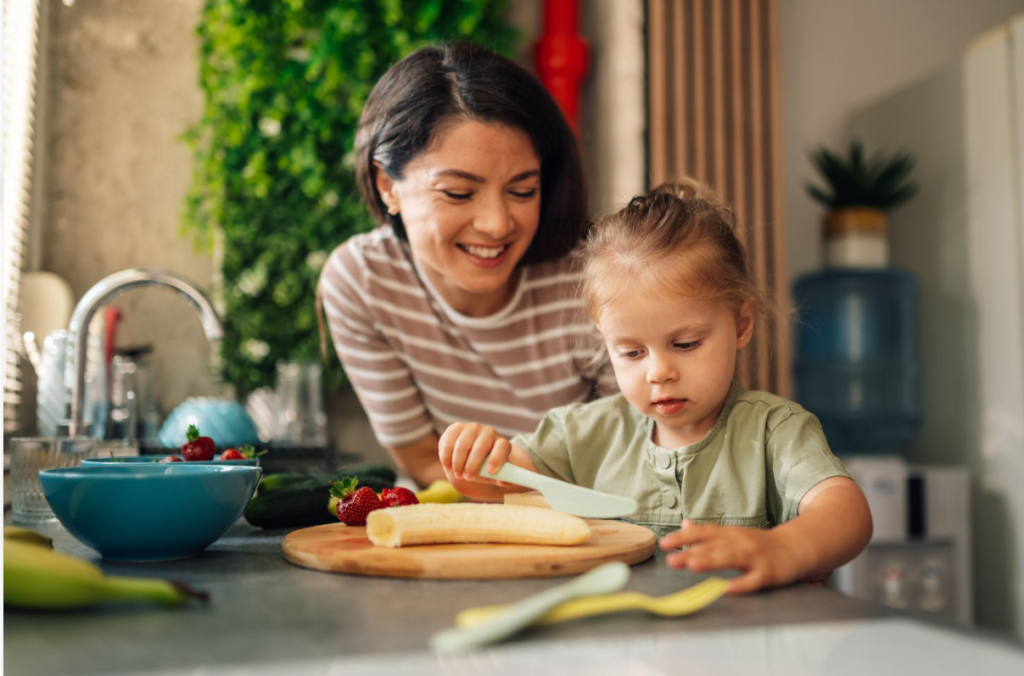
peeling and cutting banana

Kitchen independence must develop alongside safety awareness.

Children should learn that some objects and activities require adult supervision or are not appropriate for them to handle independently.

Important safety rules include:

  • Do not touch a hot stove, oven or hot pan.
  • Do not handle boiling water or hot liquids.
  • Do not use sharp knives without appropriate adult supervision and training.
  • Ask an adult before using kitchen appliances.
  • Do not taste unknown food or household substances.
  • Wash hands before preparing food.
  • Keep cleaning products and medicines away from food and children.
  • Learn to ask for help when something is difficult or unsafe.

Consider food allergies, choking risks, swallowing difficulties and any dietary advice specific to your child. Food preparation tasks should be selected accordingly.

Start with simple activities at a clear, uncluttered workspace, with an adult supervising at a level appropriate to the child’s needs.

Managing personal belongings is another important practical skill.

A child can gradually learn where things belong and how to find them.

For example, create a consistent place for:

  • Shoes and slippers.
  • School bags.
  • Books and notebooks.
  • Water bottles.
  • Toys and games.
  • Clothes and personal items.

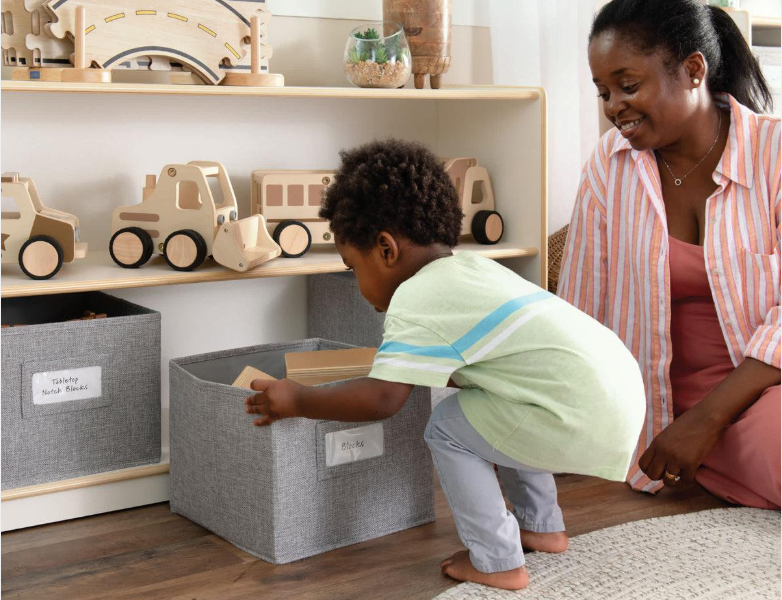
You can use photographs or labels to show where each item belongs.

Example: Managing a school bag

  1. Find the school bag.
  2. Open the bag.
  3. Take out the books.
  4. Put books in their designated place.
  5. Remove the lunch box.
  6. Keep the water bottle in the kitchen.
  7. Put the bag back in its usual place.

An older child who understands written instructions may prefer a checklist instead of pictures.

The important part is to make the storage system easy to understand and consistent.
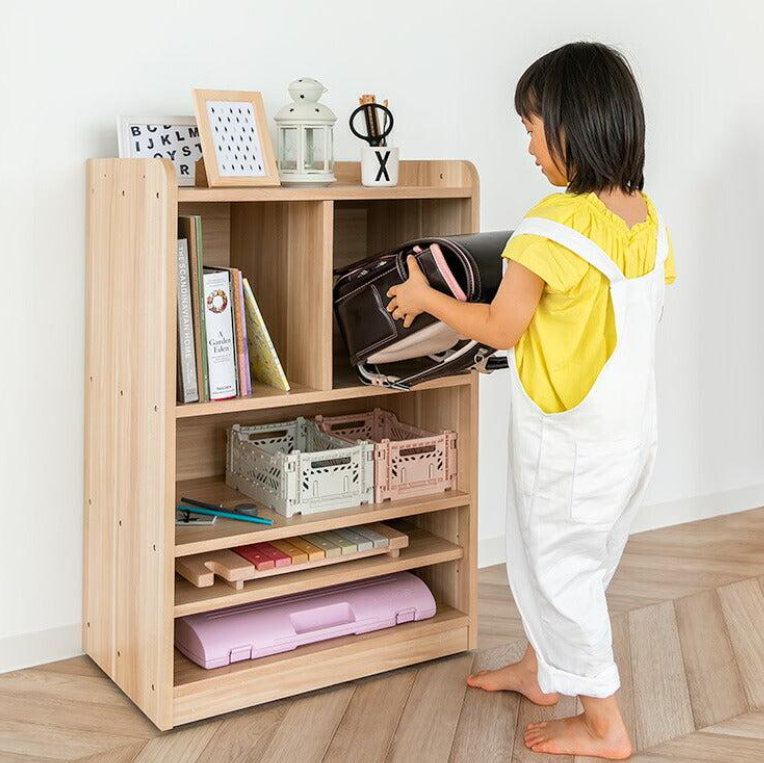
managing belongings

A large task can feel confusing when a child does not know where to begin or what comes next.

Break the activity into smaller steps. This is called task analysis.

For example, instead of saying “Prepare your snack,” use a short sequence:

  1. Take a plate.
  2. Take the snack container.
  3. Open the container.
  4. Put the snack on the plate.
  5. Close the container.
  6. Put everything away.

You can display the steps using photographs, simple illustrations or written words.

Some children may need only a small picture reminder. Others may benefit from a complete sequence.

Choose the format your child understands. Visual supports should make the task clearer and support participation, not become a rigid rule that prevents the child from making choices.
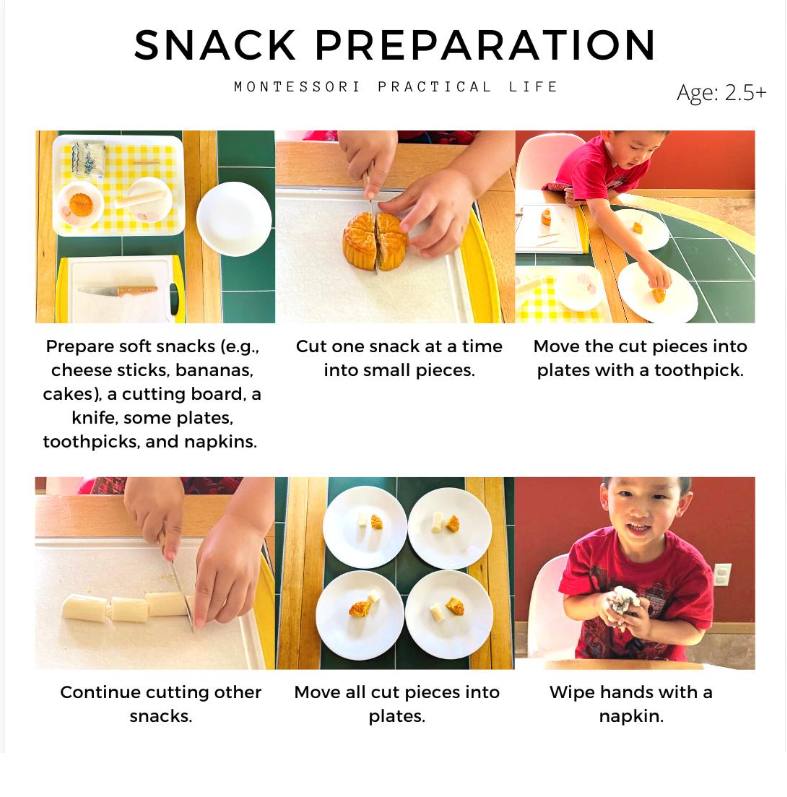
Snack preparation visual schedule

Parents naturally step in when a task takes too long or becomes frustrating.

However, children need opportunities to try, make choices and learn from practice.

A useful approach is:

  • Give your child time to attempt the task.
  • Offer a short verbal reminder if needed.
  • Point to a picture or demonstrate the next step.
  • Help with only the part that is difficult.
  • Gradually reduce assistance when your child becomes more comfortable.

For example, if your child can take a lunch box from the bag but cannot open it, allow them to complete the first step independently and practise opening the box separately.

Do not force physical assistance. Respect the child’s communication, comfort and willingness to participate.

Occupational therapy can help children develop practical skills that support everyday participation.

Depending on the child’s needs, an occupational therapist may work on:

  • Grip strength and hand coordination.
  • Using both hands together.
  • Opening and closing containers.
  • Handling utensils and everyday objects.
  • Motor planning and sequencing.
  • Organising personal belongings.
  • Following practical routines.
  • Adapting tasks and tools to make them easier.

The therapist can also help parents identify which steps to practise at home and how to provide the right amount of support.

At Sunshine Kids, these practical activities can be included in an individual child’s daily living goals when they are relevant to the child’s needs and family priorities.

Look for small changes in participation and the amount of support needed.

Skill

Progress to notice

Opening containers

Opens an easy-to-use lunch box

Using both hands

Holds an item with one hand and opens it with the other

Preparing snacks

Completes one or more snack preparation steps

Pouring

Pours a small amount with suitable support

Managing belongings

Returns items to their usual place

Following steps

Uses a picture or written checklist

Asking for help

Communicates when a task is difficult

A child may become more confident with opening containers while still needing help with snack preparation. That is perfectly reasonable.

Frequently Asked Questions?

1. At what age should an autistic child start preparing snacks?

There is no single age that applies to every child. Start with simple, safe activities that match the child’s understanding, coordination and support needs. Increase complexity gradually.

Begin with easy-to-open containers and practise holding, gripping and pulling with both hands. You can also choose packaging that is easier for the child to manage.

Only when the specific activity is safe for the child and their abilities. Cooking appliances, hot liquids, sharp tools and other hazards require appropriate adult supervision.

Yes. Occupational therapy may support grip, hand coordination, bilateral coordination, motor planning and practical adaptations that make opening containers easier.

That is still meaningful participation. A picture checklist can be a useful long-term support. Independence does not require removing every visual aid.

A final message for parents

Everyday independence develops through small opportunities to practise.

Opening a lunch box, preparing a familiar snack, pouring water or putting a school bag away may seem like minor achievements. But these activities help children participate more actively in daily life.

Choose one useful task, break it into small steps and practise regularly in a safe environment.

The goal is not to do everything alone. It is to develop practical skills, confidence and the ability to participate with the right support.

Research references

These resources support the article’s recommendations: